Recycling Organic Matter into Soil Enrichment
Posted on 06/09/2025
Recycling Organic Matter into Soil Enrichment: A Comprehensive Guide
Are you looking for environmentally friendly ways to boost soil fertility? Discover how recycling organic matter can transform your garden, enhance crop yields, and promote sustainable agriculture. This guide fully explores the process, benefits, methods, and key considerations for enriching soil using organic recycling techniques.
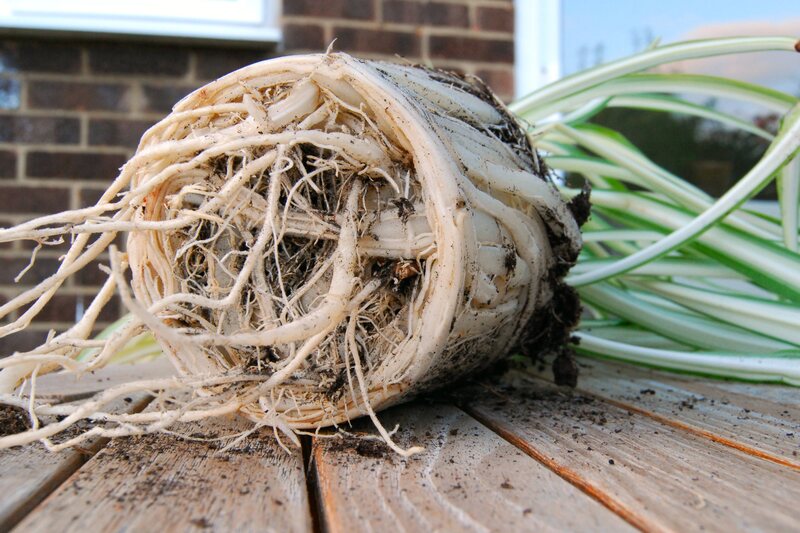
Understanding the Essentials of Organic Matter in Soil
Organic matter is the lifeblood of healthy, fertile soil. It encompasses animal and plant residues at varying stages of decomposition, as well as soil organisms and their by-products. Recycling organic matter into soil is not just an environmentally sound practice--it's a vital part of soil management, agricultural productivity, and sustainable gardening.
- Decomposed matter--also known as humus--acts as a reservoir for nutrients and moisture.
- Organic recycling reduces waste disposal in landfills, lowering greenhouse gas emissions.
- Enhanced soil structure promotes better root growth and water retention.
- Soil bearing rich organic content supports robust microbial activity, creating a vibrant ecosystem underground.
What Does "Recycling Organic Matter" Involve?
Recycling organic matter means converting organic waste (like food scraps, plant trimmings, leaves, and manure) into forms the soil can absorb and utilize. Unlike synthetic fertilizers, organic soil enrichment restores the natural balance of nutrients and stimulates soil biodiversity.
The Science Behind Soil Enrichment Through Organic Recycling
When you return organic material to soil, you trigger a complex biological process. Microorganisms including bacteria, fungi, and earthworms break down the material, releasing essential nutrients such as:
- Nitrogen - vital for leafy growth.
- Phosphorus - supports strong root systems and flower development.
- Potassium - helps with water regulation and disease resistance.
- Micro-nutrients - calcium, magnesium, and sulfur among others, all necessary for plant health.
This closed-loop system is the core of sustainable agriculture practices and is crucial for reducing dependence on chemical fertilizers.
Microbial Life: The Hidden Workforce
- Bacteria and fungi decompose organic inputs, releasing nutrients in forms plants can absorb.
- Earthworms further digest organic matter, aerate soil, and excrete nutrient-rich castings.
- Beneficial microbes outcompete plant pathogens, naturally boosting plant resilience.
Main Methods for Recycling Organic Matter into Soil Enrichment
There are several widely-adopted techniques to transform organic matter into valuable soil amendments. Here's a closer look at the top strategies:
1. Composting
Composting is the most popular method for recycling organic matter. It involves decomposing organic residues under controlled, aerobic (oxygen-rich) conditions, resulting in a dark, nutrient-loaded material perfect for soil enrichment.
- What Can You Compost? Fruit and vegetable scraps, coffee grounds, eggshells, grass clippings, leaves, sawdust, straw, and manure (preferably herbivore).
- Avoid: Meat, dairy, and oily foods, which may attract pests and slow the composting process.
The correct balance of "green" nitrogen-rich materials and "brown" carbon-rich materials is key to success. Regular turning introduces oxygen and speeds decomposition.
2. Vermicomposting: Harnessing the Power of Worms
Vermicomposting uses earthworms (most commonly Eisenia fetida) to break down organic waste. The worms' digestive process transforms food scraps into castings--potent organic fertilizer.
- Best Suited For: Kitchens, small yards, schools, and urban gardening.
- Produces compost faster than traditional methods and with less odor.
- Results in "worm tea"--a nutrient-rich liquid for plants.
3. Mulching
Mulching describes covering soil with organic materials like straw, grass clippings, leaves, compost, or wood chips. As mulch decomposes, it continuously feeds the soil, keeping it moist and suppressing weeds.
- Benefits: Soil temperature regulation, moisture conservation, erosion control, and a steady supply of organic matter.
4. Green Manures and Cover Crops
Green manures are plants grown specifically to be tilled back into the soil. Examples include clover, alfalfa, vetch, and ryegrass. As these crops decompose, they release nitrogen and organic content into the earth, enhancing soil structure and fertility.
- Key Advantages: Preventing soil erosion, fixing atmospheric nitrogen, improving texture, and suppressing weeds naturally.
5. Biochar Amendment
Biochar is a stable form of charcoal produced from plant matter through pyrolysis (burning in low-oxygen conditions). Mixed with compost or used as a direct soil additive, biochar enhances carbon sequestration, retains nutrients, and increases microbial activity.
- Long-Term Soil Fertility: Remains in soil for centuries, locking up carbon and improving plant health over time.
Practical Steps for Recycling Organic Matter at Home and on the Farm
Getting Started: Tips for Successful Organic Recycling
- Gather Local Organic Materials: Collect leaves, kitchen scraps, pruned branches, grass clippings, and manure (from herbivores) from your home or farm.
- Separate and Prepare: Chop or shred large pieces to speed up decomposition. Avoid treated wood or diseased plant materials.
- Choose Your Method: Decide between composting, vermicomposting, or mulching, depending on your space, needs, and ambitions.
- Maintain Optimal Conditions: Keep compost piles damp (like a wrung-out sponge) and aerated by turning regularly. For worm bins, ensure correct bedding and avoid acidic foods like citrus.
- Monitor Progress: Well-managed organic recycling should produce earthy-smelling compost in 8-12 weeks. If odors develop, add carbon-rich materials or turn the pile more frequently.
- Apply the Finished Product: Spread compost, mulch, or worm castings on garden beds, around trees, or mix into potting soil for strong plant growth.
Integrating Recycled Organic Matter Into Soil
- Top Dressing: Layer compost or organic mulch directly onto soil for gradual nutrient release.
- Soil Incorporation: Dig or till compost into planting beds to blend nutrients.
- Liquid Fertilizer Application: Use compost tea or worm tea for watering plants, delivering quick nutrition to roots.
Major Benefits of Enriching Soil with Recycled Organic Matter
Embracing organic waste recycling for soil enrichment offers a wealth of environmental, economic, and agronomic benefits:
- Boosts Soil Fertility: Supplies a broad spectrum of nutrients and enhances nutrient cycling.
- Improves Soil Structure: Encourages crumbly, aerated soil that drains well and supports healthy root growth.
- Increases Water Retention: Organic-rich soil holds more moisture, reducing irrigation needs and drought stress.
- Reduces Chemical Dependence: Cuts the need for synthetic fertilizers and pesticides, making food production safer and more sustainable.
- Enhances Biodiversity: Supports populations of earthworms, insects, fungi, and beneficial microbes in the soil ecosystem.
- Reduces Environmental Impact: Less organic waste in landfills and lower greenhouse gas emissions.
- Economic Savings: Cuts costs on fertilizers and soil amendments for farms and gardeners.
Key Considerations and Common Challenges in Organic Matter Recycling
Quality Control and Safety
While recycling organic matter brings many rewards, it's vital to avoid introducing disease, pests, or weed seeds into your soil:
- Avoid Meat, Dairy, and Fats: These decompose slowly and can harbor pathogens.
- Compost at High Temperatures: Maintain pile temperatures at 55°C to 65°C (130°F to 150°F) to kill most seeds and harmful microbes.
- Monitor Materials: Don't compost invasive weeds or plants treated with pesticides/herbicides.
Pest and Odor Management
- Cover fresh organic inputs with soil, finished compost, or brown materials to limit flies and rodents.
- Balance greens and browns to prevent unpleasant odors--a bad smell means not enough air, too much moisture, or excess nitrogen.
Time and Labor Considerations
- Mulching and green manures require less time investment than active composting.
- Compost piles need regular turning and monitoring, while vermicompost bins require special care for worm health.
Advanced Techniques in Recycling Organic Materials
Thermophilic Composting
Large-scale operations use higher pile temperatures to expedite decomposition and eliminate more pathogens, producing safe, rich compost quickly.
Bokashi Composting
Bokashi is a fermentation-based method from Japan using inoculated bran to ferment all kitchen waste--including meat and dairy. The result is a pre-compost that decomposes rapidly when added to soil.
Hugelkultur
Hugelkultur involves building raised beds using logs, branches, and layered organic waste, then topping with soil. As the wood and materials decay, they feed plants, conserve moisture, and trap carbon.
Frequently Asked Questions about Organic Matter Recycling and Soil Enrichment
Is It Safe to Use Compost from Kitchen Scraps?
Yes--if managed correctly, kitchen scrap compost is safe and highly beneficial. Avoid adding meat, bones, dairy, or highly processed foods for best results.
How Long Does It Take to Recycle Organic Matter into Usable Soil?
With optimal conditions, standard composting produces finished compost in 2-4 months; vermicomposting can take as little as 2-3 months; cold composting and mulch decomposition may take up to a year or longer.
Can All Organic Waste Be Used for Soil Enrichment?
Most plant-based materials are suitable. Caution: Never compost weeds that have gone to seed, diseased plants, or materials treated with harmful chemicals.
Conclusion: The Future of Soil Health Lies in Organic Recycling
Recycling organic matter for soil enrichment is a cornerstone of eco-friendly gardening and sustainable agriculture. By returning nature's resources back to the earth, you strengthen soil, foster biodiversity, conserve water, and play a vital role in combating waste and climate change. Whether you're a home gardener or a professional farmer, adopting these techniques is a powerful move toward a greener, healthier planet and more bountiful harvests.
Start small--set up a compost bin or try mulching your garden beds--and experience the transformation firsthand. Your soil, your plants, and the environment will thank you!
Latest Posts
Defending Your Garden Against the Onslaught of Stormy Conditions
Harnessing the Power of Gardens to fight Climate Change
Strategies for Shielding Your Garden from Extreme Winds
Transform your UK garden with these 9 excellent ground covers

With substantial experience in the gardening sector, John writes articles encompassing a variety of gardening and landscaping topics. Her efforts have assisted numerous individuals in achieving stunning garden designs.